Innovation Leader

Intelligent power generation systems for high-demand industrial sites

Air Products combines generation hardware, digital controls, and staged decarbonization planning so operators can increase site resilience without creating a new layer of operational complexity.

1998 Founded
68 Countries Served
420 Annual Projects
260 Field Service Engineers

Digital-first generation architecture built for the next operating decade

Each capability is designed to help industrial operators modernize power availability, simplify energy decision-making, and move through efficiency upgrades in manageable stages instead of disruptive leaps.
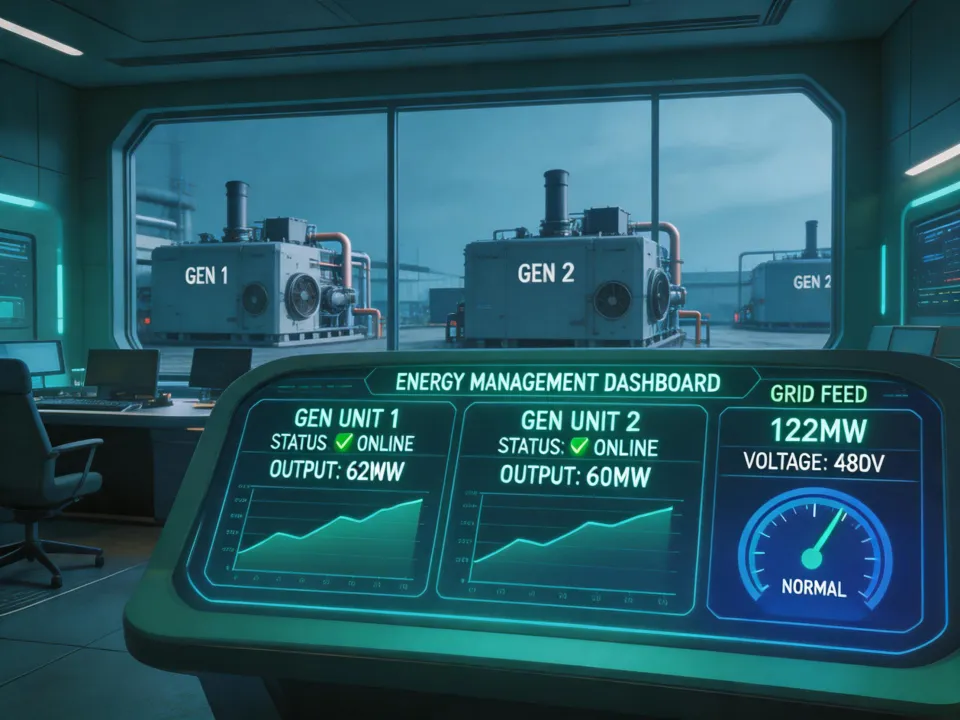
Remote power operations dashboard

Operational visibility that reaches from asset health to dispatch strategy

Air Products brings monitoring, alarms, and optimization logic into one control layer so site teams can see how generation performance, fuel usage, and maintenance conditions interact during normal operation. That visibility matters because many industrial sites are already juggling unstable grid conditions, rising energy costs, and tighter uptime targets. Instead of forcing teams to manage each issue through separate systems, our architecture helps operators recognize the relationship between load demand, equipment condition, and reserve planning in one place. The outcome is a power room that feels more coordinated, more predictable, and easier to scale as operations change.
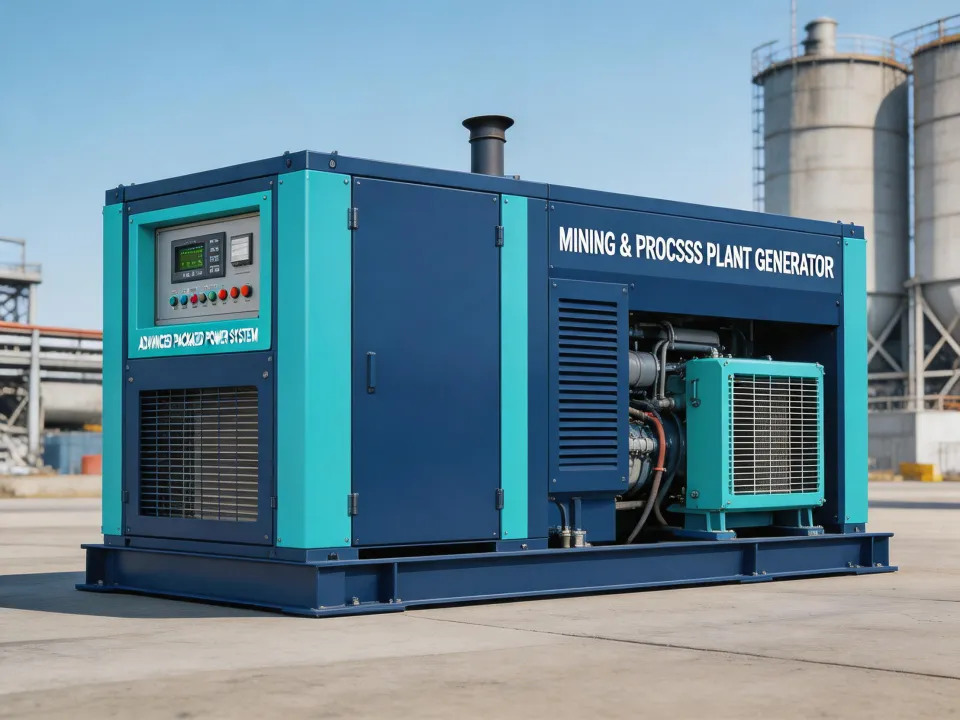
Modular industrial generator package

Modular generation packages that support staged capacity growth

Rather than locking a project into one oversized deployment, Air Products structures package design so new capacity can be added with less disruption to plant operations. This modularity is valuable in sites where power demand rises as production ramps, where fuel strategy evolves over time, or where financial approval for later phases depends on early performance evidence. By shaping the platform around staged commissioning and interoperable controls, we help clients make room for growth while still protecting the reliability expectations of the present operating window.
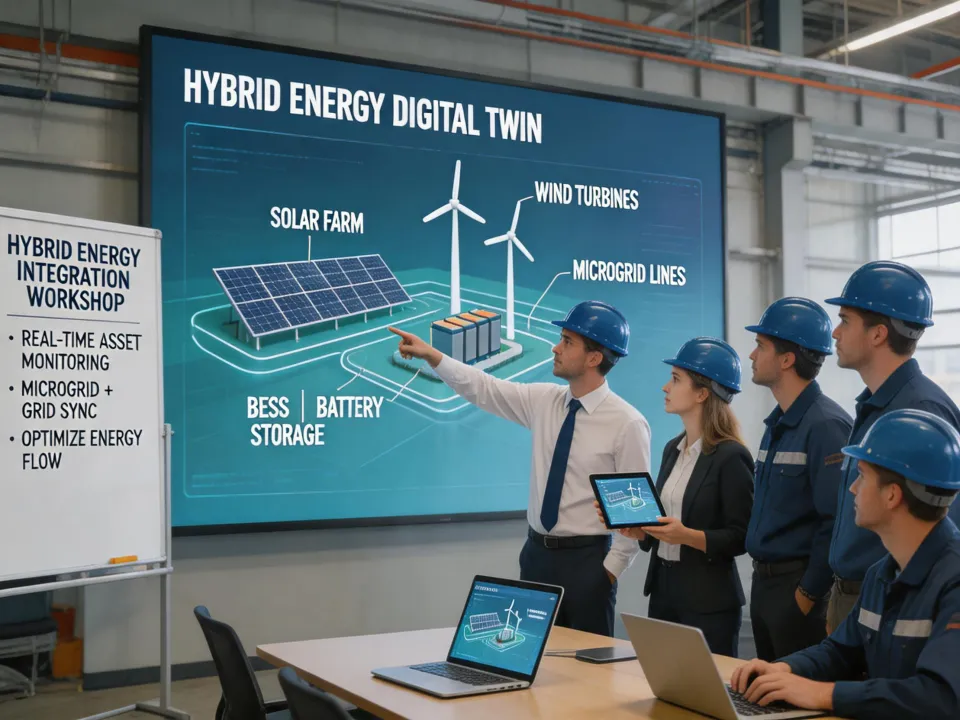
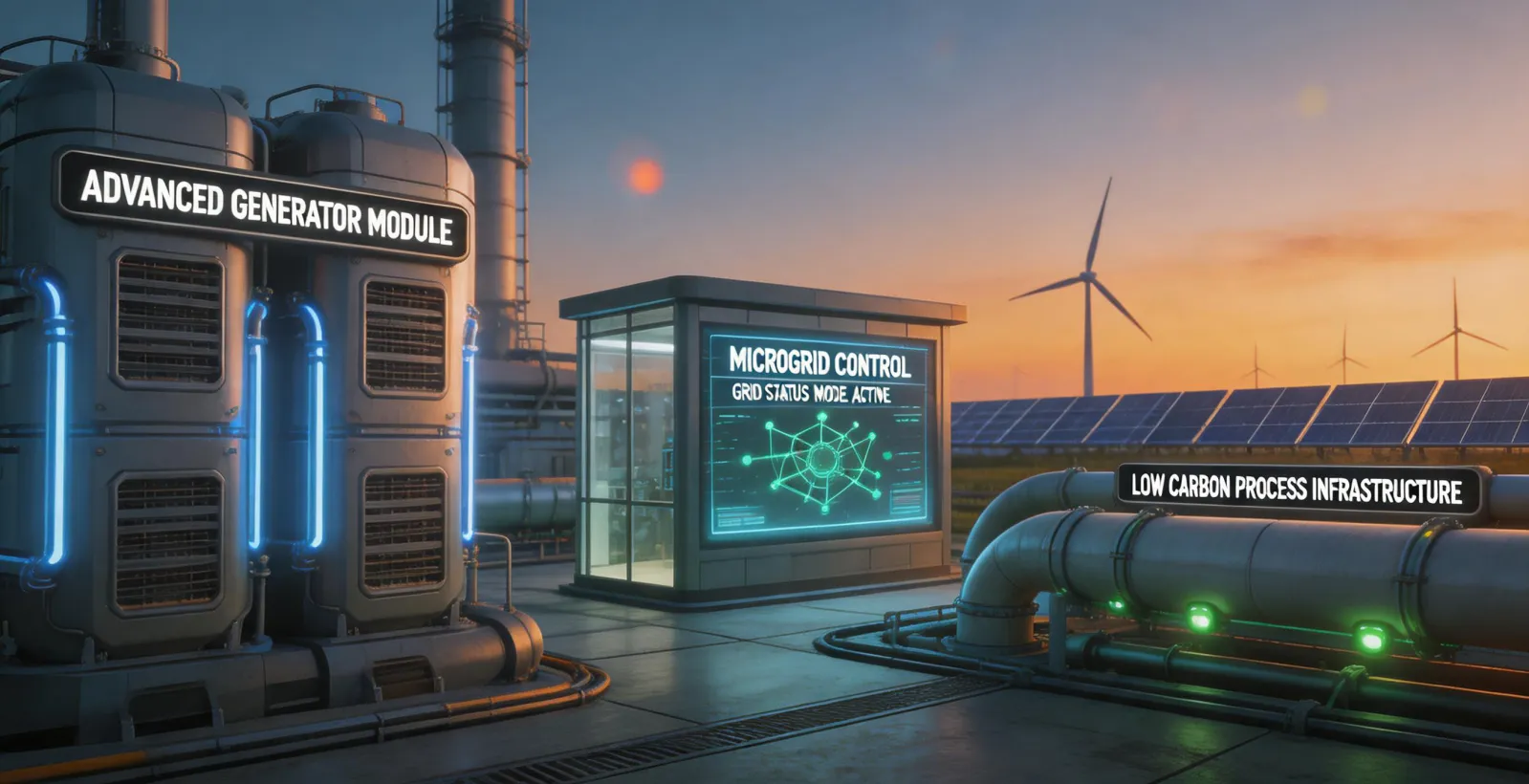
Hybrid energy integration engineering

Hybrid integration logic that turns transition goals into deployable engineering plans

Decarbonization programs often stall when sustainability ambition outruns practical deployment logic. Our engineering model works the other way around. We start with operating constraints, ramp rates, backup requirements, and site risk tolerance, then map how alternative fuels, storage layers, or efficiency improvements can enter the system without compromising response stability. That approach creates a clearer bridge between board-level emissions targets and the actual sequence of technical decisions needed on site.
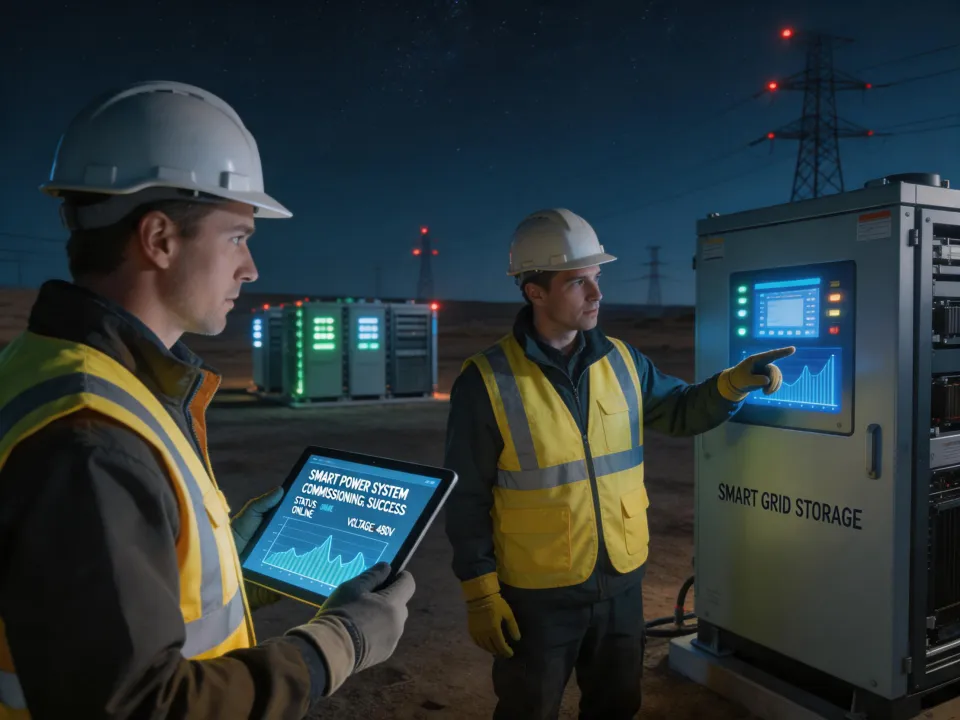
Field engineers commissioning smart power system

Field execution models that connect commissioning, training, and long-horizon support

Technology adoption succeeds when the people running the site feel in control of the system after startup. Air Products therefore connects commissioning to operator education, alarm interpretation, and post-handover support routines. Instead of treating service as a separate afterthought, we use it to reinforce digital readiness and operational confidence. That makes the learning curve shorter for site teams and gives management a stronger basis for trusting new automation features in critical production environments.
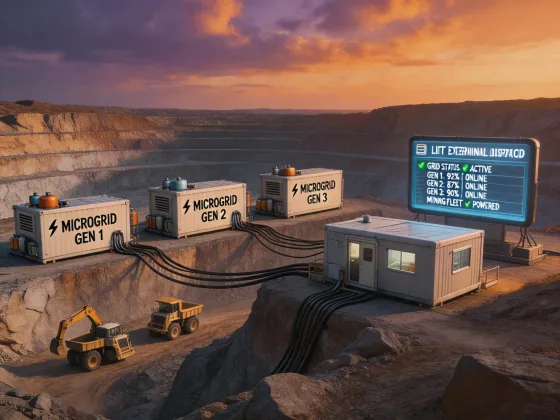
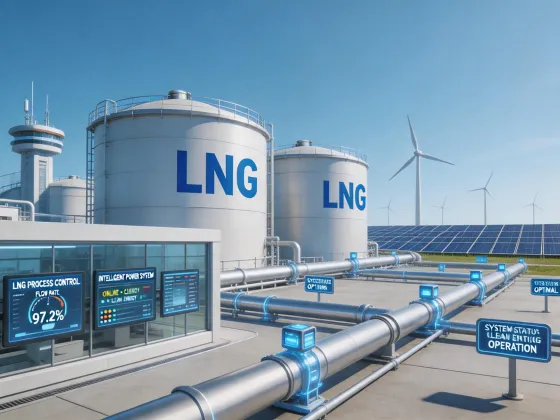
Application environments with very different power logic, managed through one adaptable platform

Remote mining microgrid

Remote Mining Power

Resilient packages for isolated sites that cannot afford unstable dispatch, delayed maintenance calls, or inefficient fuel planning.

LNG energy infrastructure

LNG Infrastructure

Integrated power and process support for liquefaction, storage, and terminal operations where response stability and compliance discipline are closely linked.

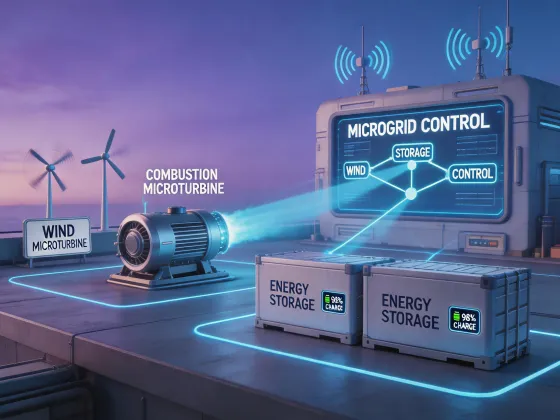
Hybrid industrial microgrid

Hybrid Microgrids

Hybrid-ready architecture that helps industrial clients introduce cleaner energy layers without losing confidence in core power availability.

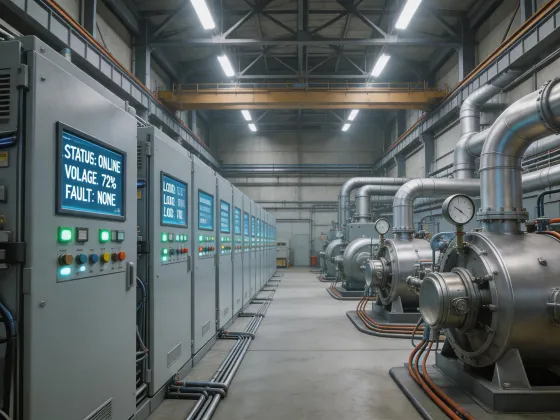
Heavy process plant power room

Process Plants

High-load coordination for production environments where power continuity, control quality, and staged modernization all matter at once.

Milestones that show how the platform evolved from packaged generation to connected energy orchestration

1998

Foundation In Industrial Generation

Air Products began by serving heavy industrial users that needed dependable onsite power packages with faster field response.

2007

Expansion Into Multi-Site Engineering

The company scaled project delivery models for operators managing several facilities across different fuel and control regimes.

2014

Digital Controls Program Launch

Remote diagnostics, dispatch analytics, and condition-based insights were added to help clients move from reactive oversight to smarter planning.

2020

Hybrid Integration Capability

Air Products formalized hybrid readiness frameworks that connect turbines, generator sets, storage, and demand response logic.

2030

Pathway To Adaptive Low-Carbon Power

The roadmap now centers on higher efficiency, more automation, and cleaner transition sequencing for mission-critical industrial power users.

One integrated control philosophy can unlock confidence across operations, maintenance, and management

Air Products helped us turn a fragmented power strategy into a system our operators could actually manage. The biggest difference was not a single machine. It was the way generation, monitoring, and future expansion were organized into one framework that made sense for a live site.

Industrial operations director portrait
Operations Director Integrated Mining And Energy Project, Latin America
Industrial energy transition project

Build a site-specific power roadmap that works now and stays useful later

Bring your load profile, fuel constraints, reliability targets, and decarbonization ambitions into one engineering conversation. We will help you frame the system architecture before procurement choices narrow the future too early.